18.03.2016 — 05.06.2016
20th Biennale of Sydney
20th Biennale of Sydney: The future is already here – it’s just not evenly distributed
"Kazimir Malevich is one of the most influential figures in modern art. He lived and worked through a particularly turbulent period in twentieth-century history, witnessing both the October Revolution in 1917 and the subsequent rise of socialism. While his early paintings depicted Russian landscapes, religious scenes and agricultural workers, Malevich soon made a dramatic break into non-objective art. His experimentations led him to unveil Suprematism, a bold visual language characterised by stark colours and geometric shapes. The work that best epitomised his radical break with the historic parameters of painting is also arguably his most famous: Black Square on a White Ground, 1915. Within the 20th Biennale of Sydney, Malevich is present in a number of guises, which, in various ways connect with Black Square. Two years prior to the appearance of this painting, Malevich famously designed sets and costumes for Aleksei Kruchenykh’s Futurist (anti-) opera Victory Over the Sun, which was first performed in St Petersburg in December 1913.
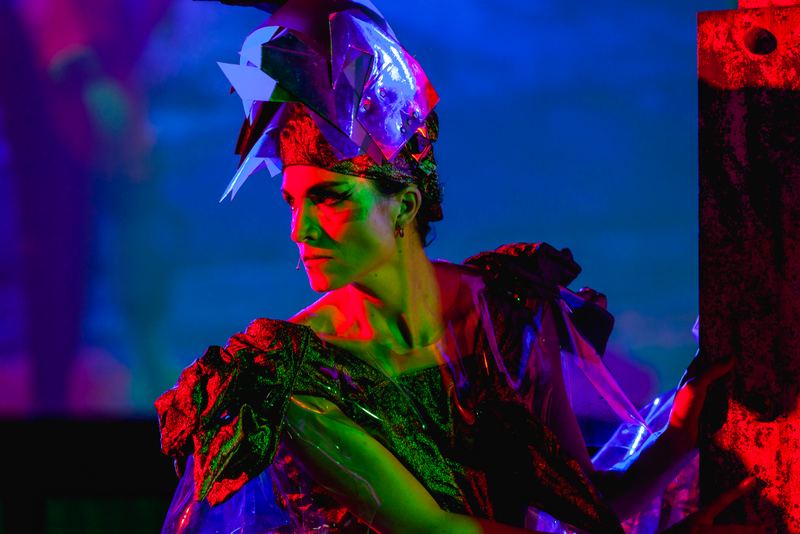
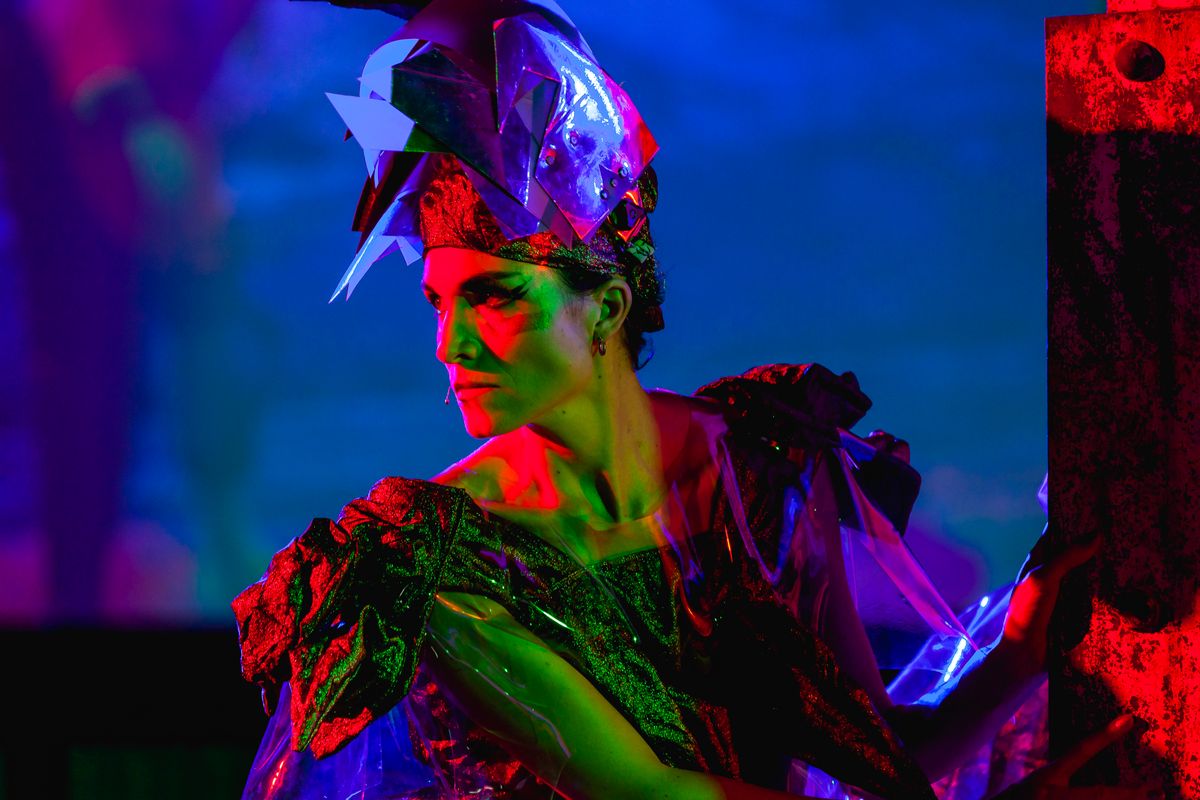
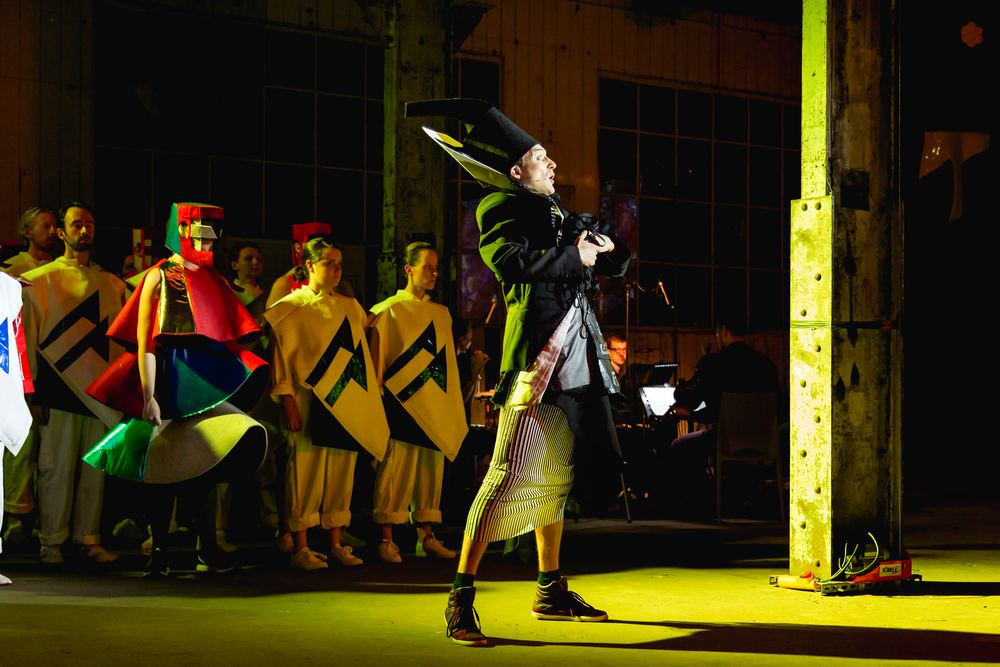
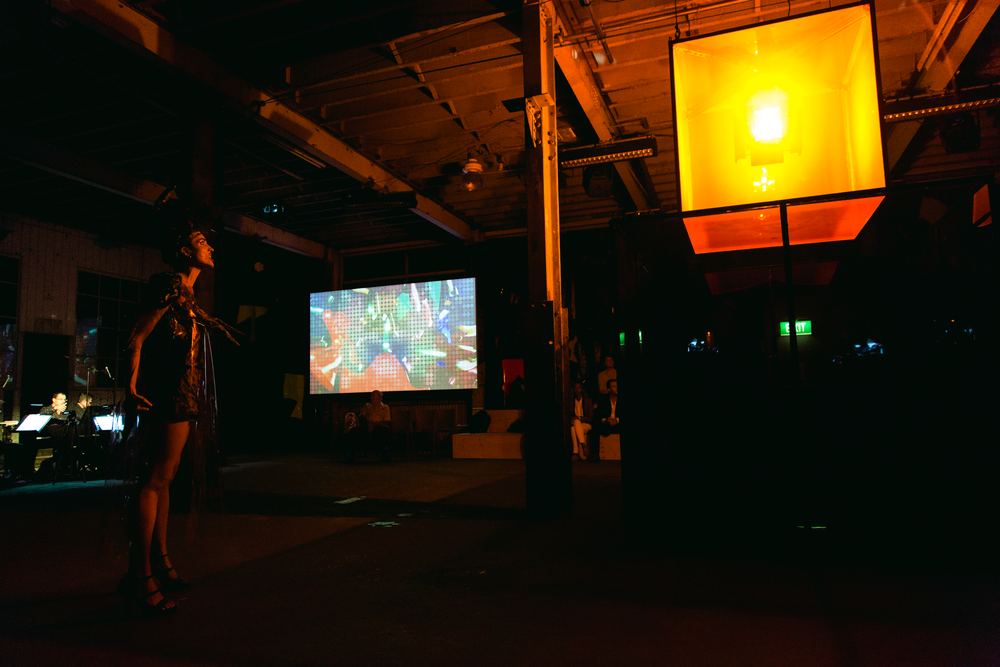
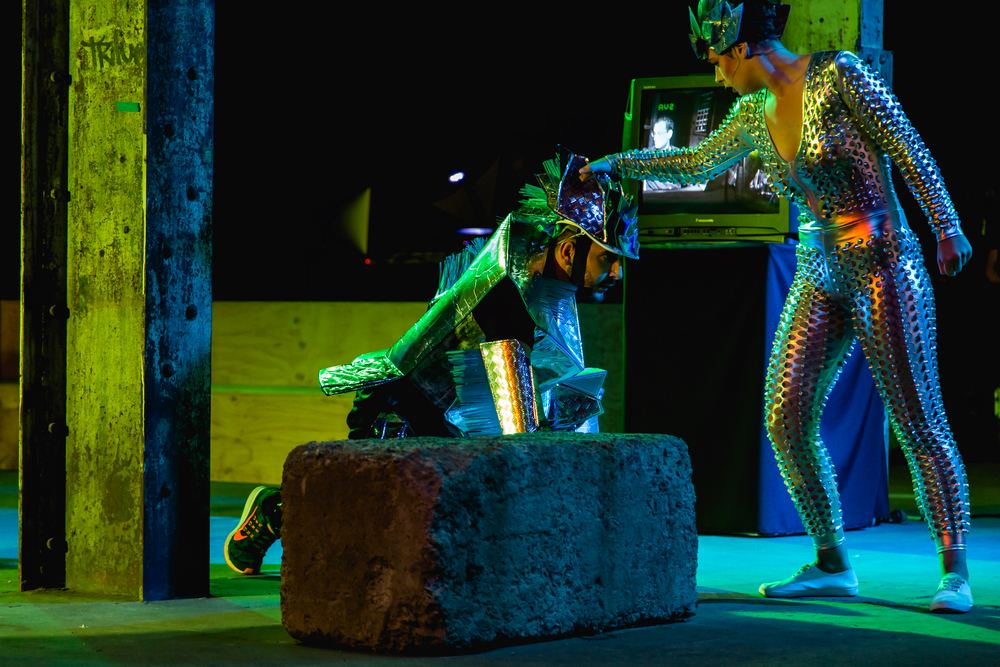
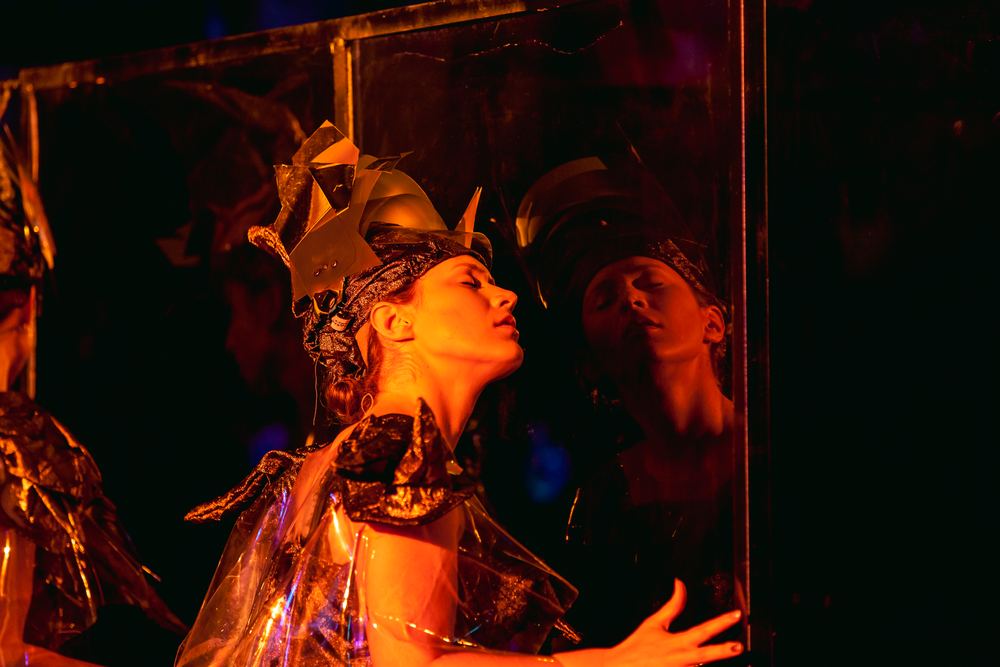
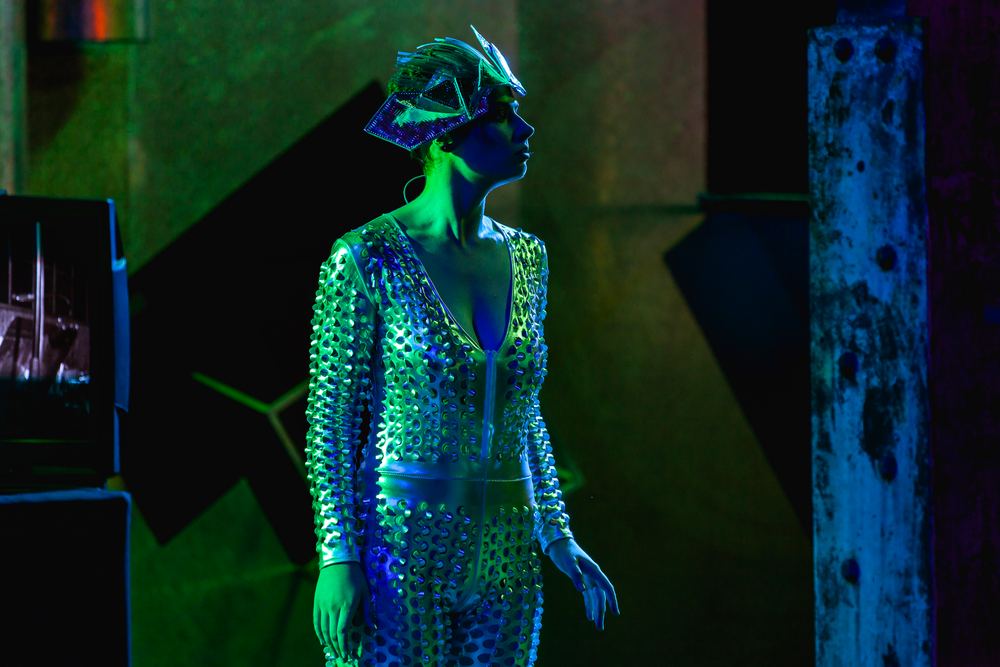
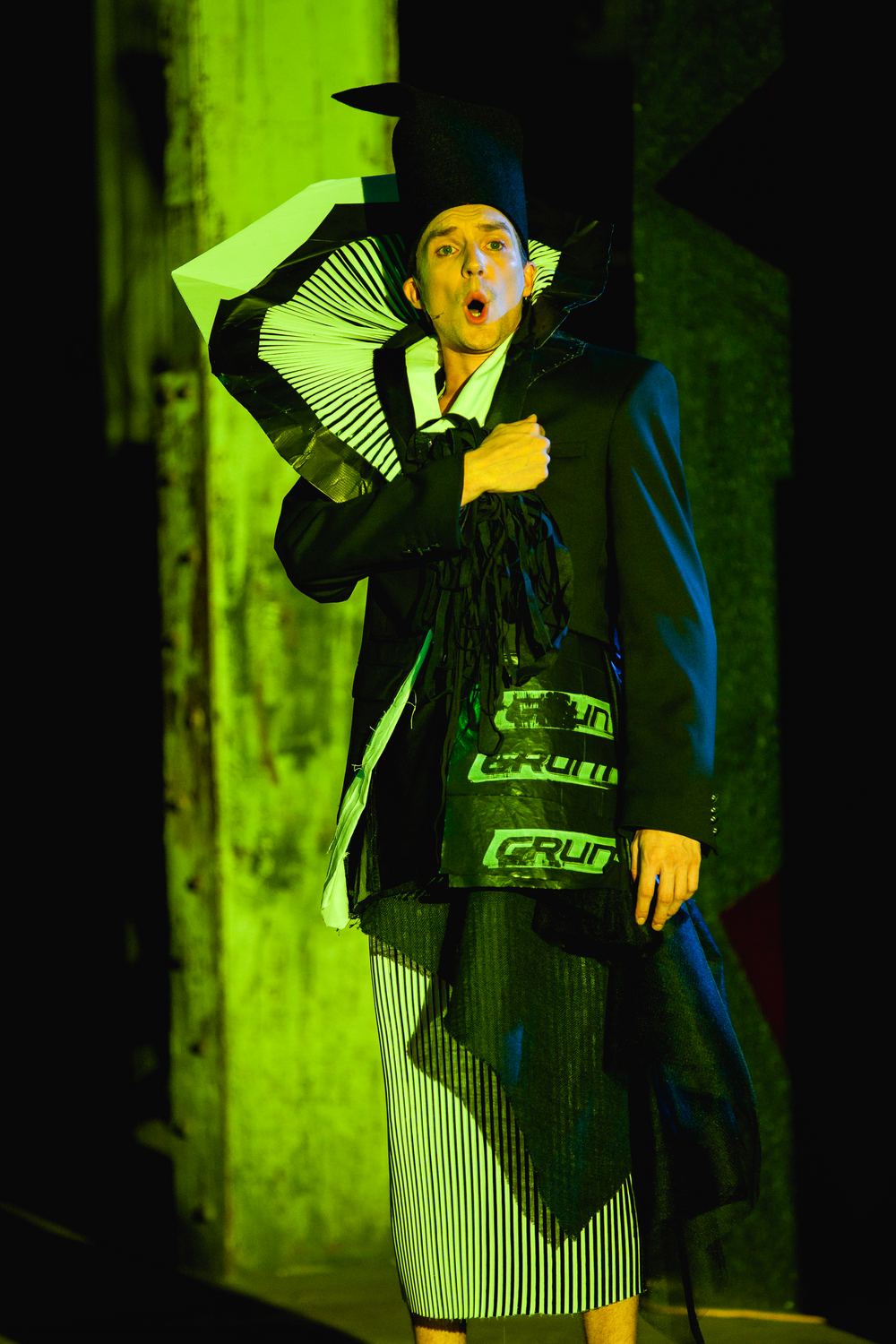
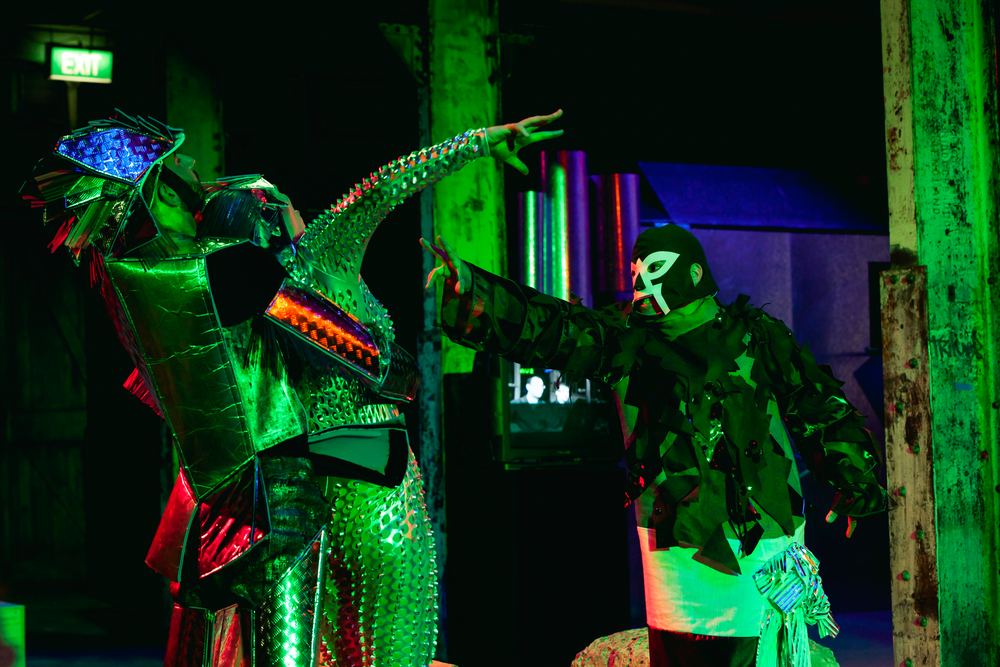
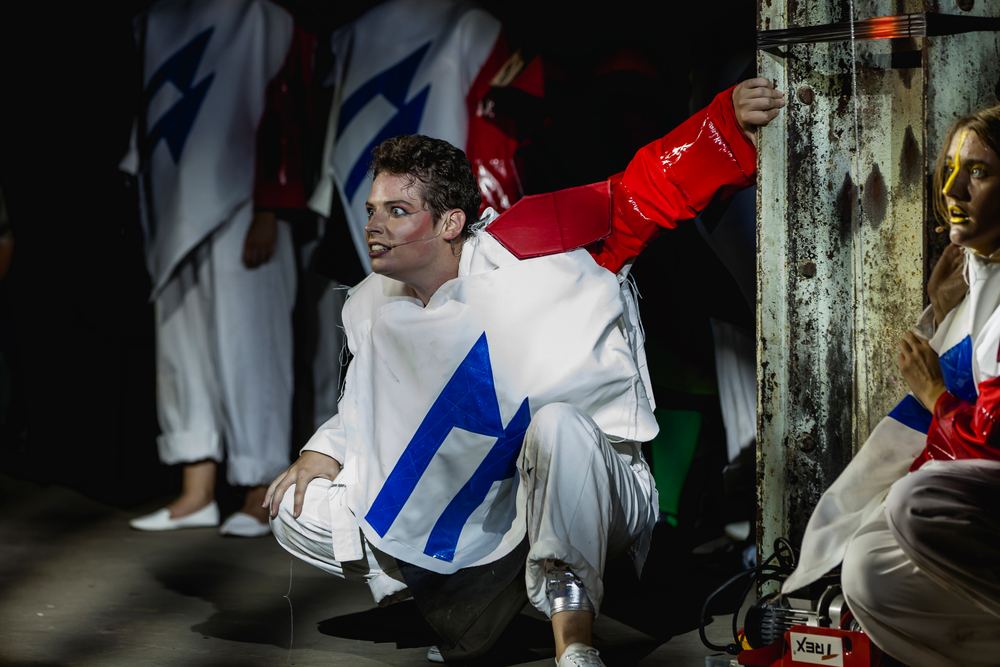
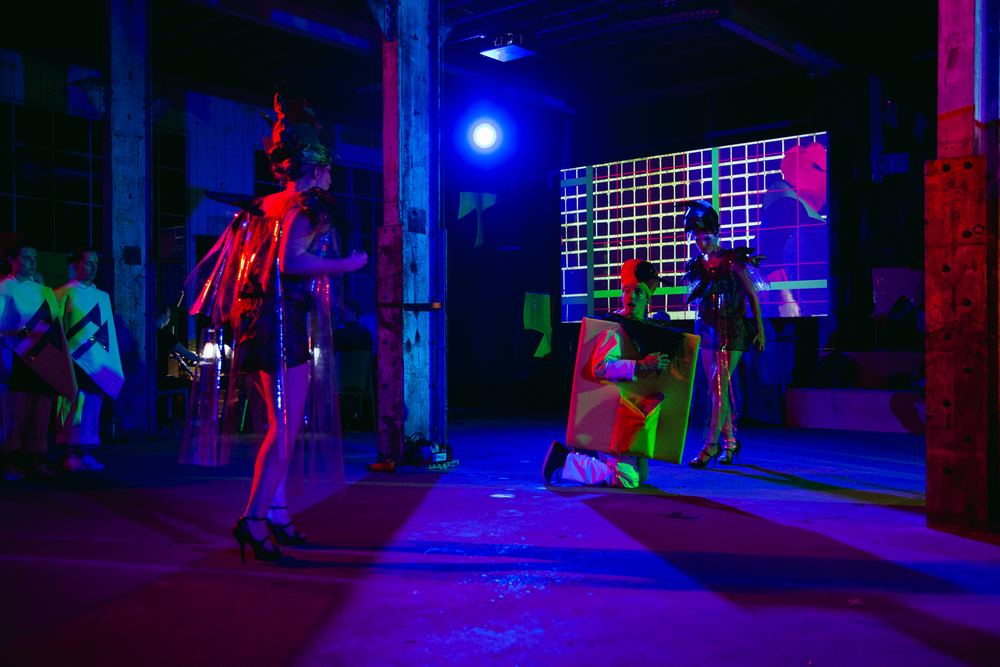
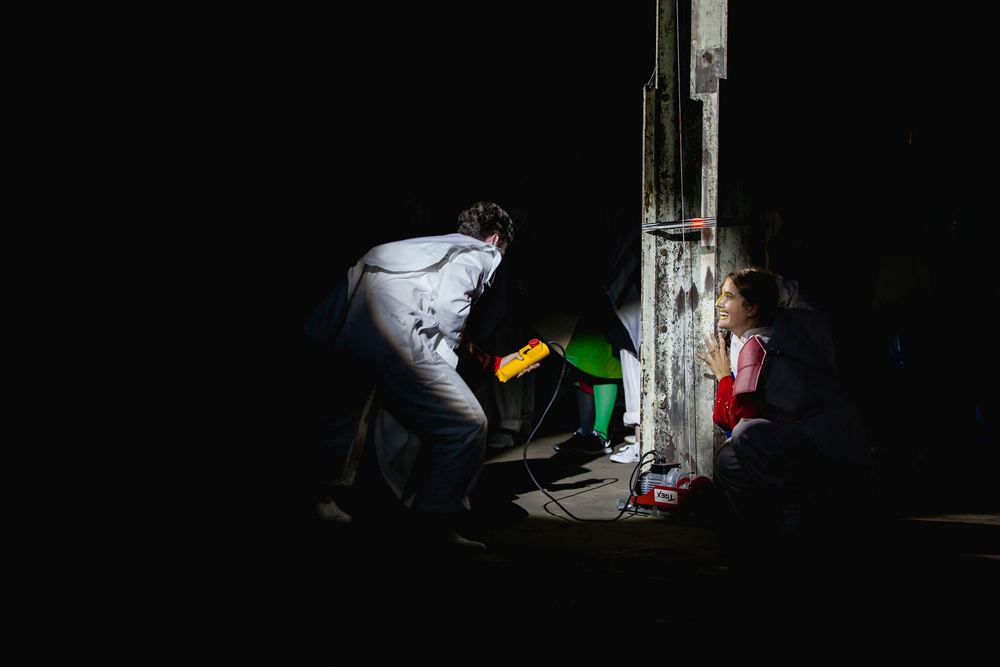
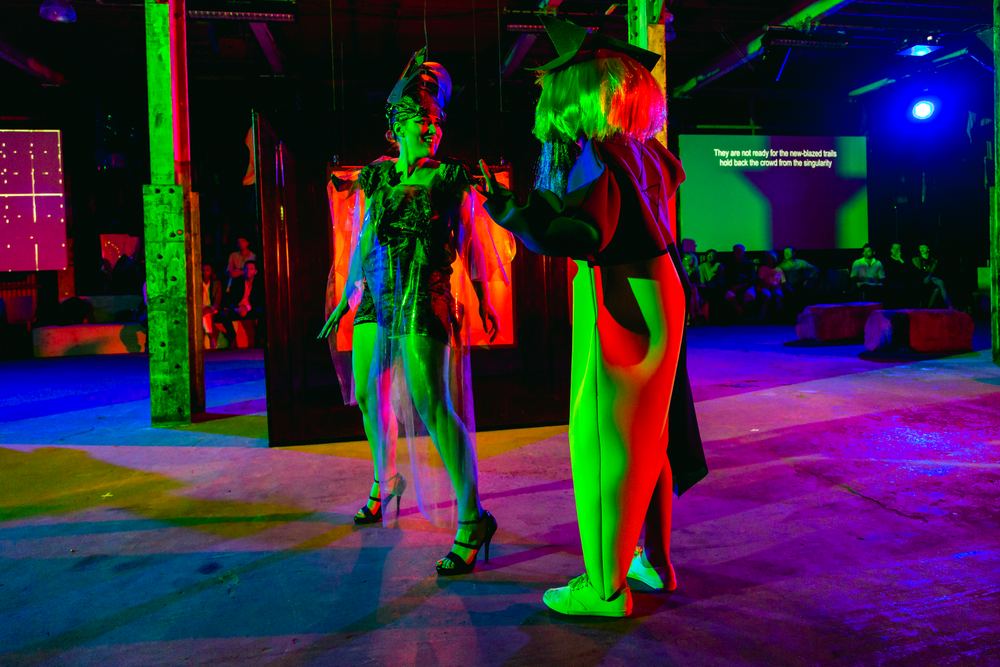
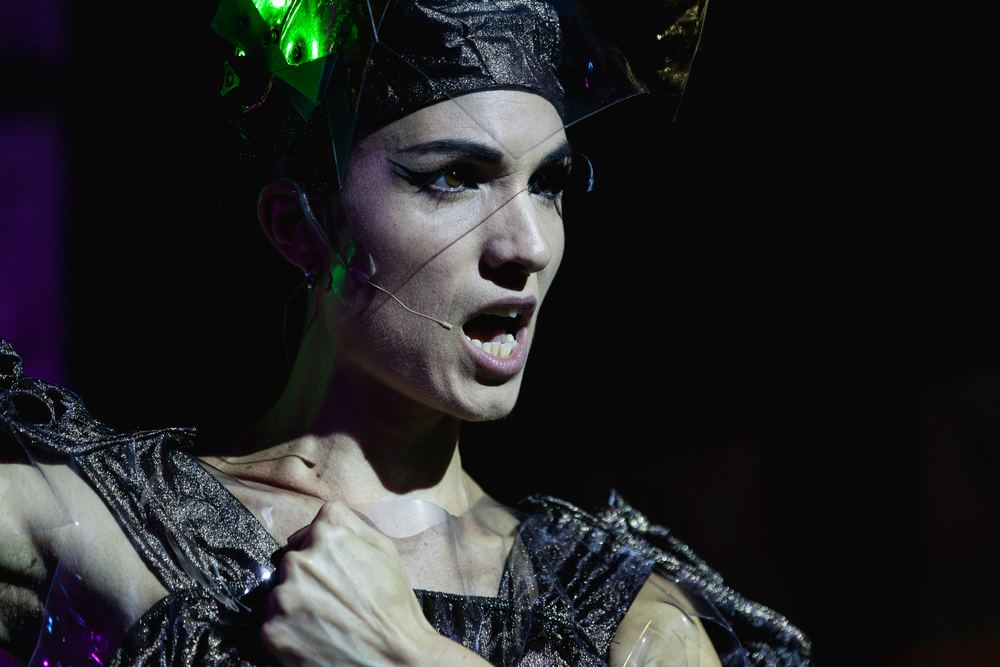
Australian artist Justene Williams, in collaboration with Sydney Chamber Opera, reimagines this as a live performance over the opening weekend at Cockatoo Island, complete with a newly composed score and radically revised libretto. The stage sets live on throughout the exhibition as an installation, incorporating deconstructed costumes and props, as well as video documentation of the live event, further reworked by Williams."
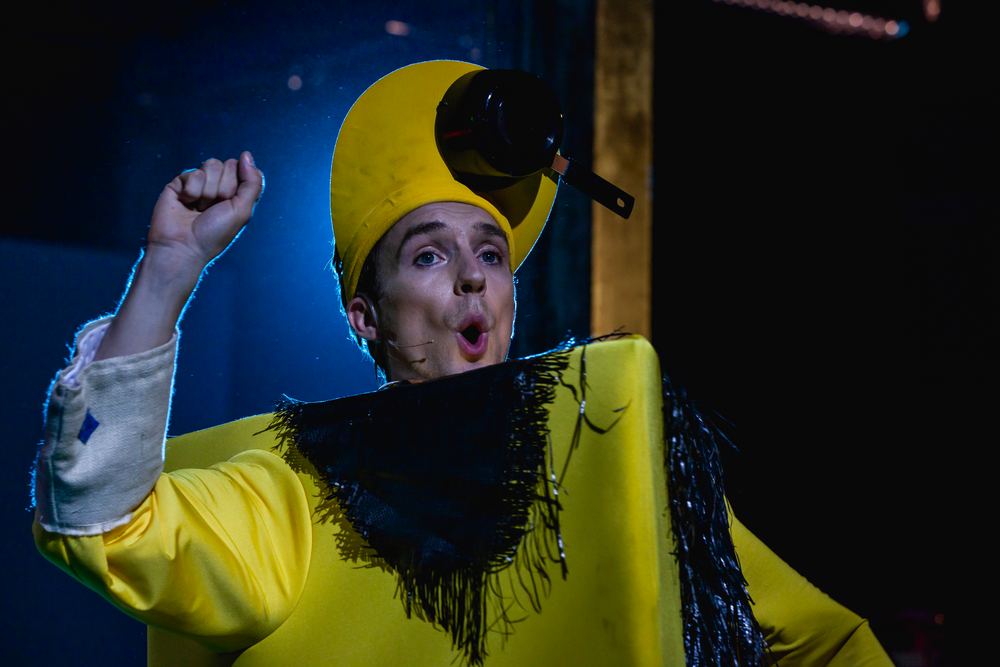
"According to Kruchenykh, the basic theme of the opera was ‘the victory of technology over cosmic forces and biologism’, which also entailed a ‘victory over the old accepted concept of the beautiful sun … over romanticism and empty verbosity’. [1] While largely nonsensical, the libretto is essentially focused on the capture of the sun in Act 1, which leads to the birth of a future world, or ‘Tenth Country’, in Act 2. The strange characters that feature wear brightly coloured, oversized costumes, made with cardboard and wire, which, along with the backdrops, extend Malevich’s wish to articulate a new sense of theatrical space and form." –excerpt from curatorial essay on Biennale of Sydney website
Australian artist Justene Williams, in collaboration with Sydney Chamber Opera, reimagines this as a live performance over the opening weekend at Cockatoo Island, complete with a newly composed score and radically revised libretto. The stage sets live on throughout the exhibition as an installation, incorporating deconstructed costumes and props, as well as video documentation of the live event, further reworked by Williams."
"According to Kruchenykh, the basic theme of the opera was ‘the victory of technology over cosmic forces and biologism’, which also entailed a ‘victory over the old accepted concept of the beautiful sun … over romanticism and empty verbosity’. [1] While largely nonsensical, the libretto is essentially focused on the capture of the sun in Act 1, which leads to the birth of a future world, or ‘Tenth Country’, in Act 2. The strange characters that feature wear brightly coloured, oversized costumes, made with cardboard and wire, which, along with the backdrops, extend Malevich’s wish to articulate a new sense of theatrical space and form." –excerpt from curatorial essay on Biennale of Sydney website
Artist
Curator
Stephanie Rosenthal

Artworks