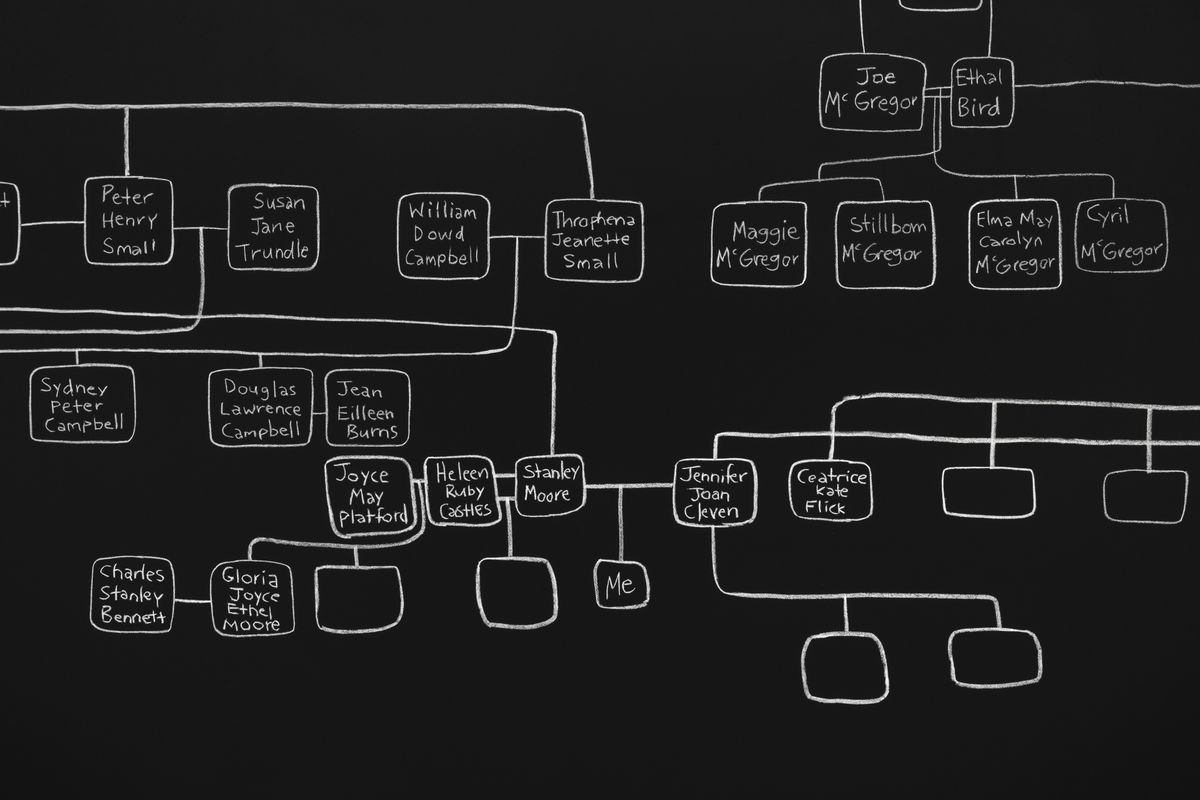
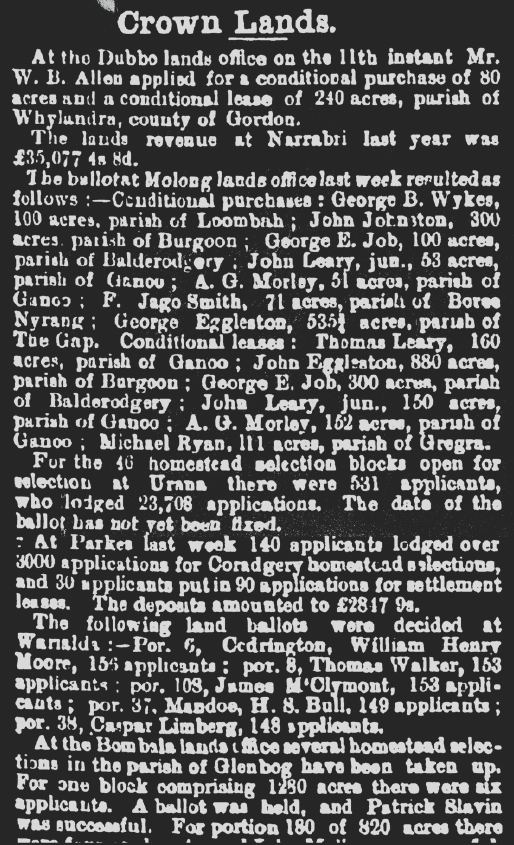
During his search of the archives for information relating to his family ahead of his 2024 Venice Biennale exhibition, kith and kin, Archie Moore found a newspaper article from 1900 that established a grim symmetry between the maternal (Kamilaroi/Bigambul) and paternal (English/Scottish) sides of his family, two and one generations respectively before his parents, Jenny and Stan, met.
The article announced the lucky winners of ballots of Crown Lands in New South Wales where small parcels of Country were won by colonists in a lottery-like system. Archie’s paternal grandfather, William Henry Moore, in January 1900, won ‘portion six’ in the Parish of Codrington near the town of Coolatai in New South Wales. It was the year before Australian Federation and New South Wales was still a British colony. The piece of land was situated at the boundary of the nation of the Kamilaroi/Gamilaraay people, the ancestral lands of Archie’s great grandmother, Jane Cleven (nee Boland/Newman), on his mother’s side. The newspaper article was announcing that Archie’s paternal grandfather — of English/Scottish descent — had won over 2000 acres of the traditional lands of his maternal — Kamilaroi — great grandmother.

“There have been many papers that speak of a link between discrimination and mental illness, how words said in jest or abuse can lead to depression. A name tag hangs around the dog’s neck in case you are still unaware that this is a self-portrait.”Archie Moore artist statement for 2014 National Artists' Self Portrait Prize, the University of Queensland Art Museum, Brisbane

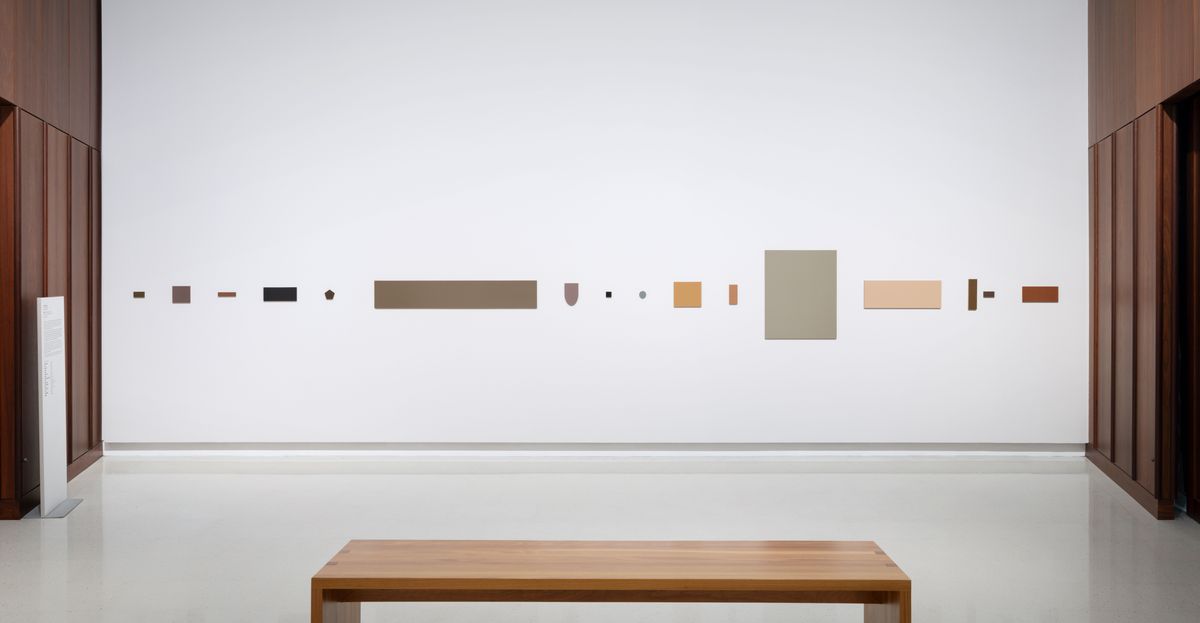
Self-portraiture, including family portraiture, recurs throughout Archie’s practice, though he rarely repeats the same medium. His portraits have taken the form of comic-book paintings, custom-made perfumes that replicate people in his early life based on aromas that permeate his memory, photographs, a taxidermied dog, monochrome paintings matched to the colour of his own body parts and a vast hand-drawn genealogical tree. In each instance, Archie seeks to better understand and articulate to audiences who he is, what his life has been like and why. Through varied media and an often disarming simplicity, he achieves this with subtlety and an eloquent handling of the complexities of the matters to hand.
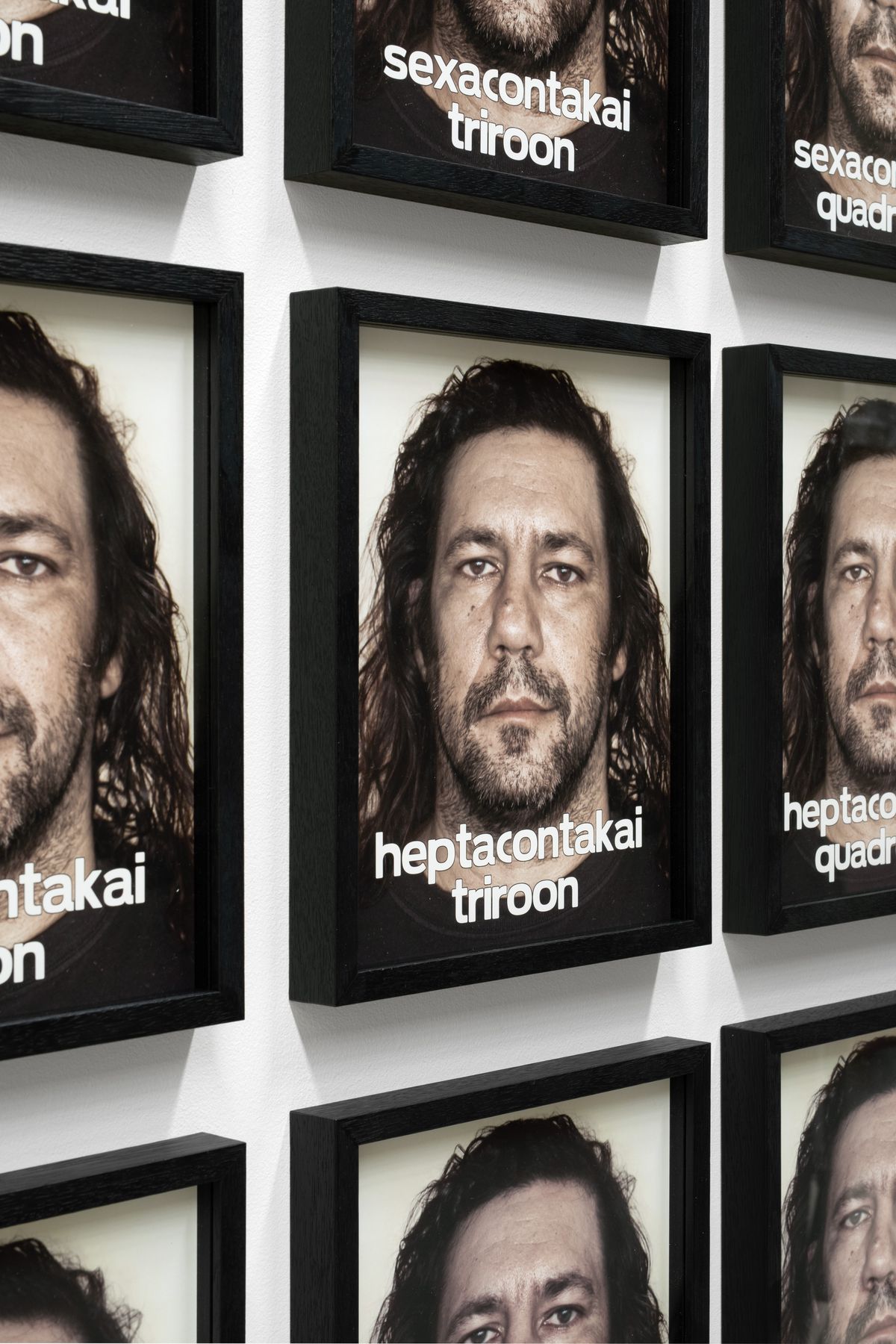
In Archie's 100-part self-portrait from 2015, an edition of which is held in the collection of the National Gallery of Australia, Blood Fraction examines the logical absurdity of racism based on skin colour, employing the full range of percentiles and the language historically used to categorise and measure race. These racialised mathematical terms appear again in Archie’s work years later in the sprawling hand-drawn genealogical trees of Family Tree (2021) and kith and kin (2024), where kin are dehumanised through anthropological dissection. Blood Fraction responds to public debates in which a person’s Aboriginal identity, authenticity and legitimacy are questioned. While many Aboriginal communities recognise belonging through kinship and connection, external classifications have often imposed hierarchies of ‘blood’ that determine who is considered a real Aboriginal person. Presented as a tonal chart, Blood Fraction exposes the fiction that human identity can be reduced to numbers.

“The first documented monochrome was a racist joke.”Archie Moore, Mīal, exhibition text, The Commercial, Sydney 2022

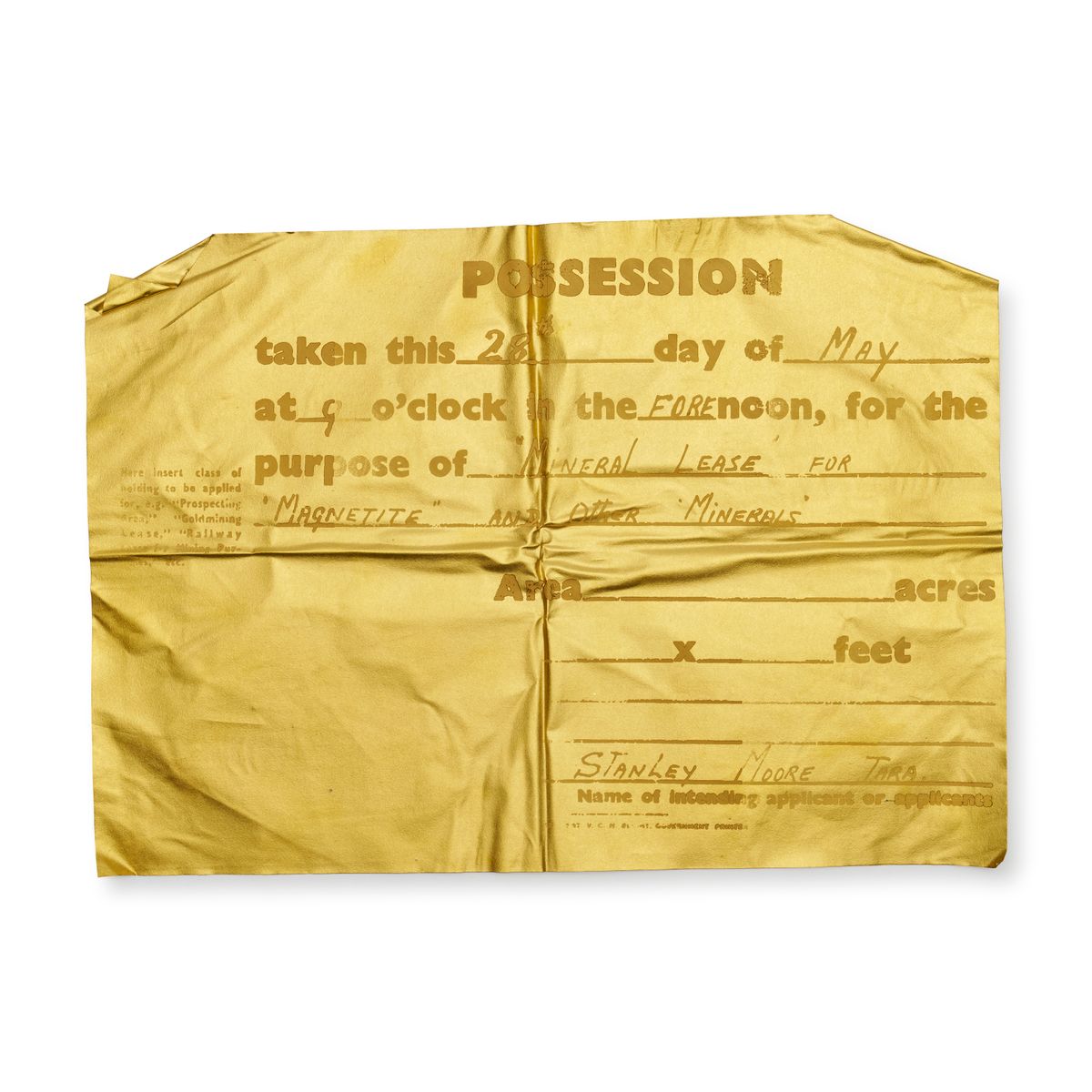
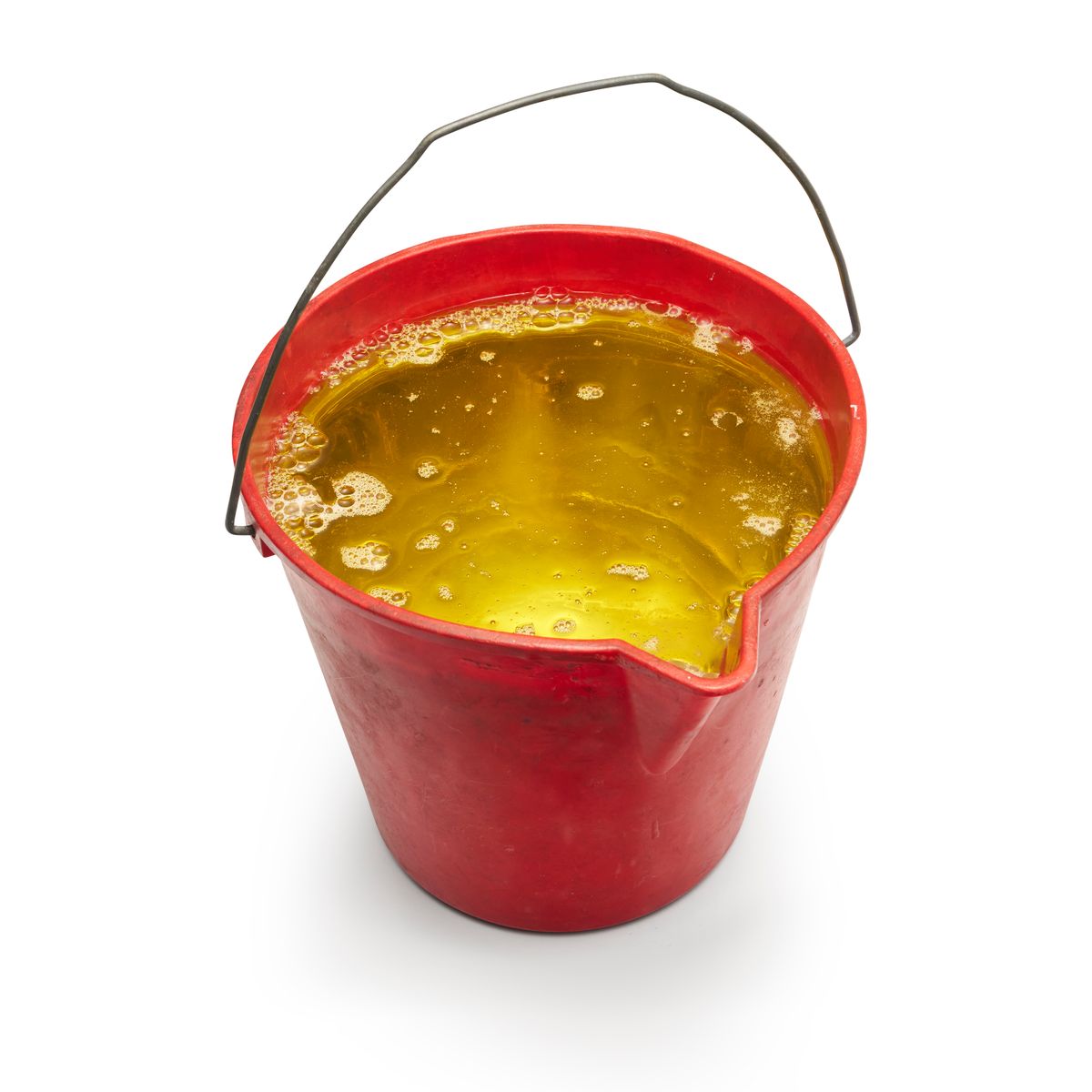
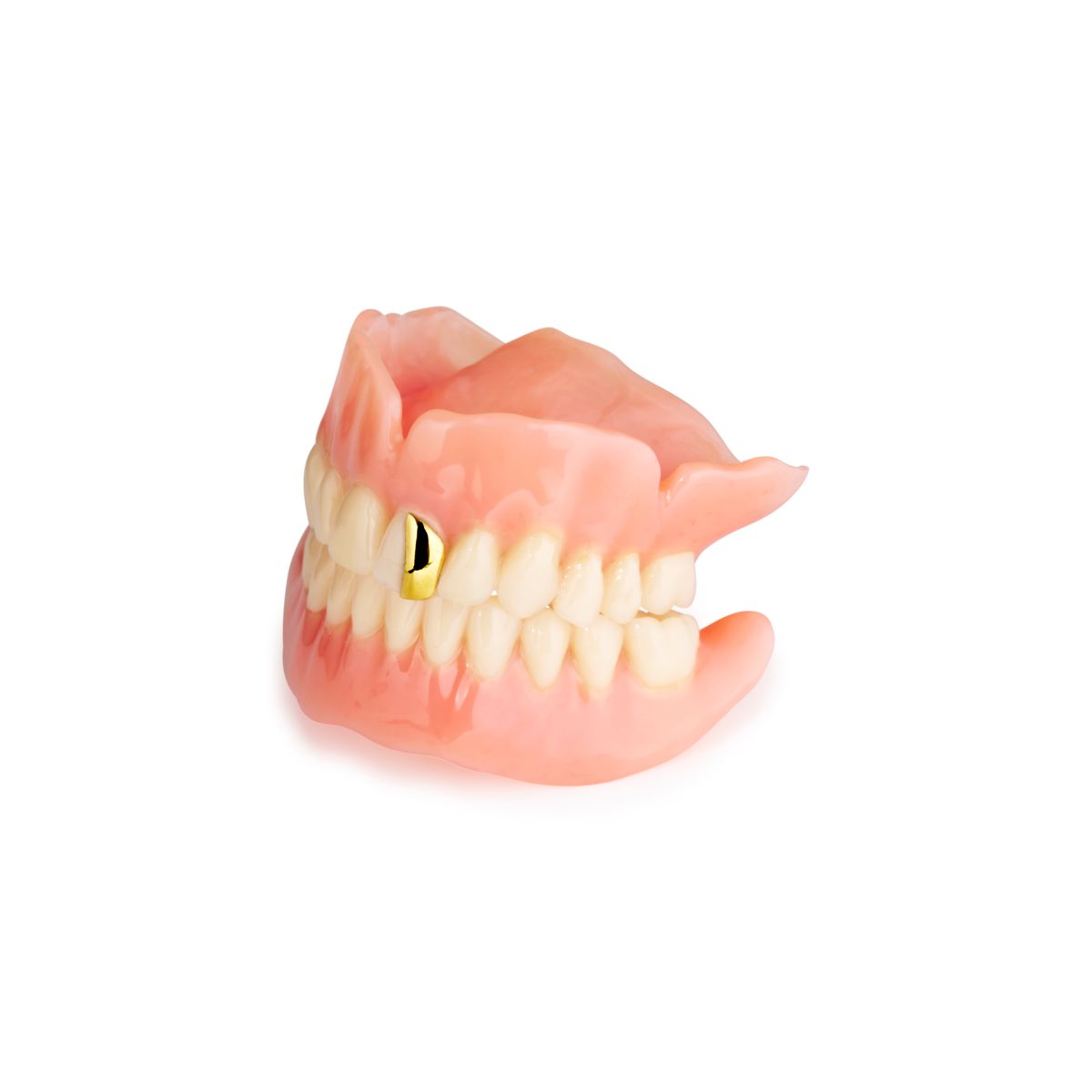
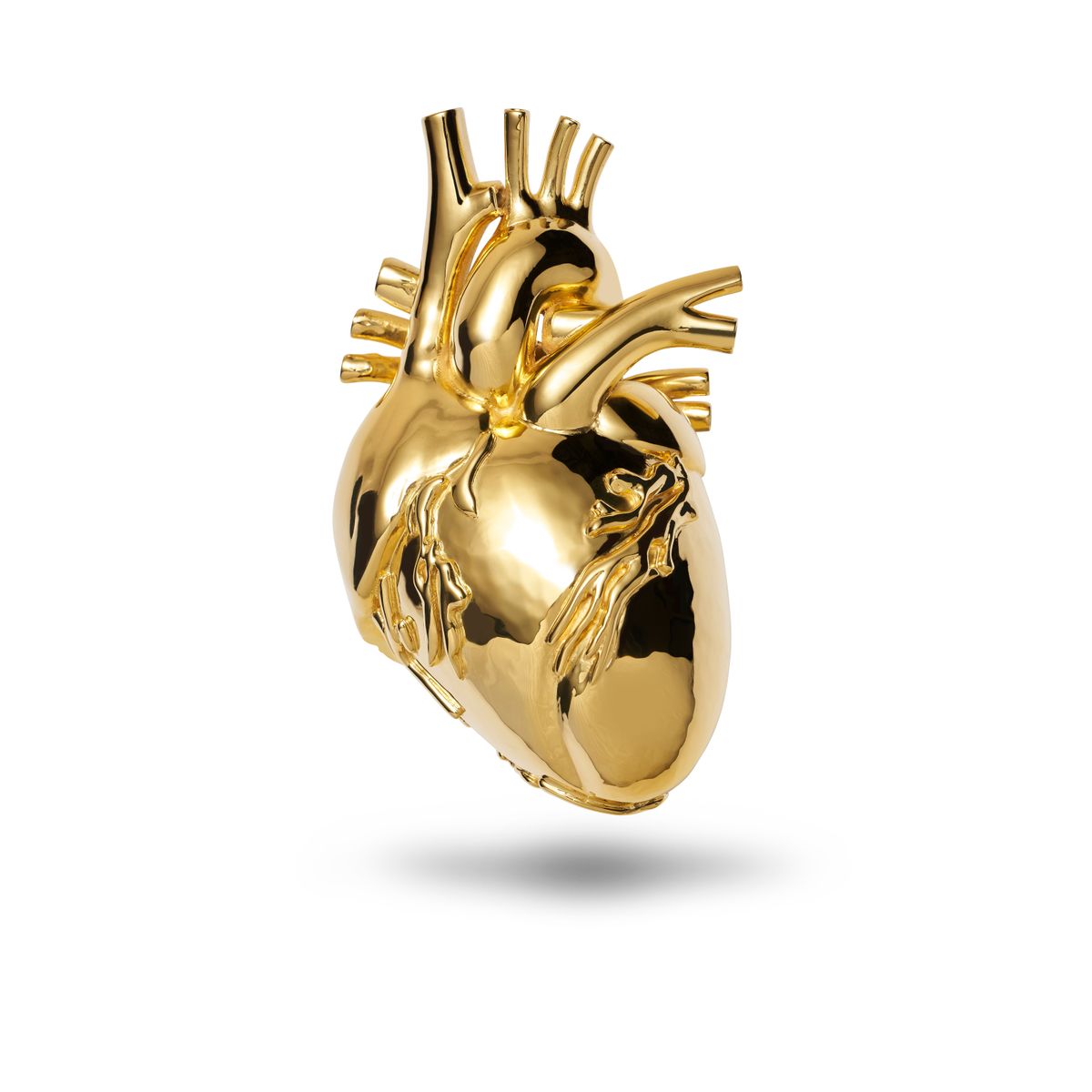
“Memories of my father are the golden thread that connect eight forged objects and reproduced documents from my father’s deceased estate. The work speaks to (false) hope, (empty) promises, (thin) veneers and (pipe) dreams.”Archie Moore
For the 2026 Adelaide Biennial of Australian Art: Yield Strength, curated by Ellie Buttrose, Archie worked with the precious metals and services group, Pallion, to create a portrait of his father, Stanley Moore (1908–1994), in gold. The work draws on objects and documents from Stan’s deceased estate, as well as attributes Archie associates with him. Archie’s portrait of Stanley unravels the ‘quiet desperation’ that sustained Stan’s belief in the possibility of escaping poverty for himself and his family by digging up gold. A hand-drawn map, touchingly written on the calendar page dated the day Archie was born, speculates the location of gold on the same parcel of Kamilaroi land that Stanley’s father won in the 1900 land ballot. Letters to mining companies and other ephemera attest to Stan’s long-held hope. Replicated by Archie in gold, these documents and artefacts manifest Stanley’s aspirations half a century later. Other remnants include discarded war medals, a minerals exploration licence and a gold-capped tooth. Reflecting on his father’s delusional conviction that finding gold would be the ticket to a better life, Archie writes: “it was in his mouth the whole time.”
“By attempting to portray a father, the son has instead sketched himself.”Ellie Buttrose in 2026 Adelaide Biennial of Australian Art: Yield Strength, exhibition catalogue

“We lived on the outskirts of town, in a house of peeling paint and holes. It didn’t seem to be worth much and that’s how I felt about myself.”Archie Moore, Artist's statement for Depaint (2014), Hazelhurst Regional Gallery & Arts Centre, 2014

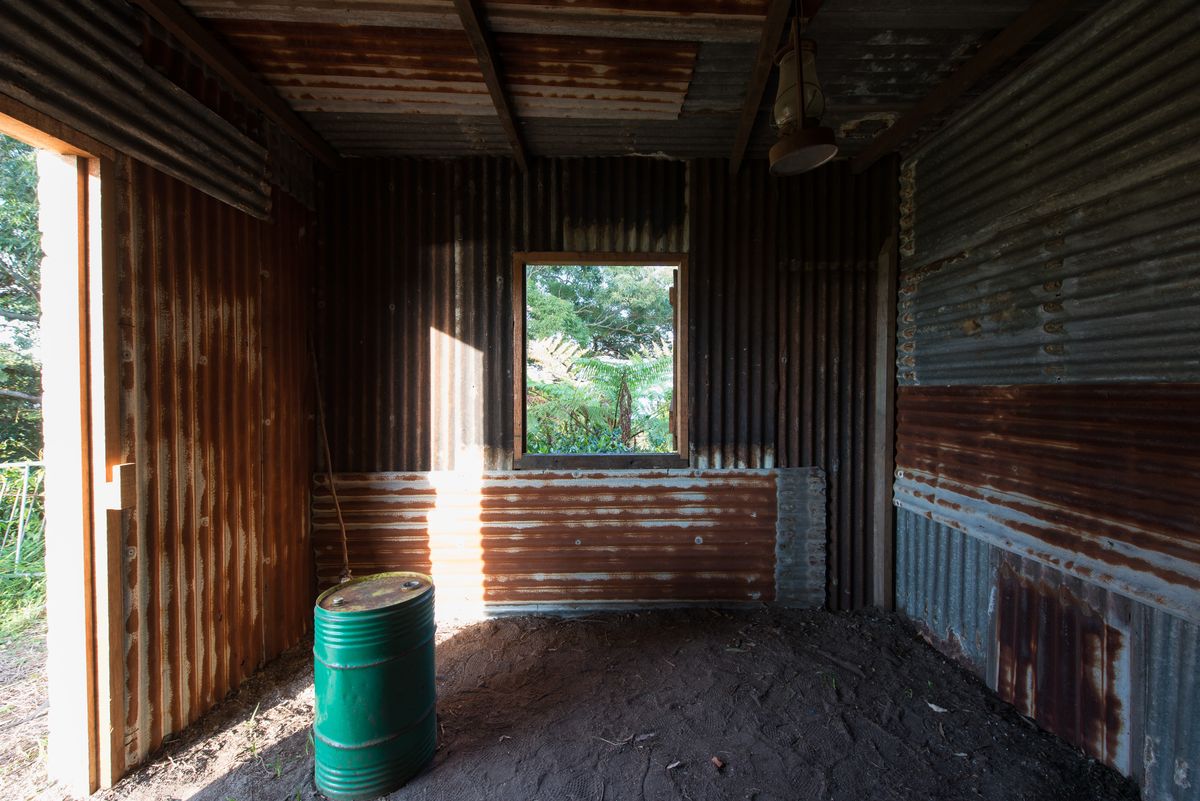
Since 2010, Archie has been recreating his childhood home as a multi-room installation. Dwelling was influenced by German artist Gregor Schneider’s presentation in the German Pavilion at the 2001 Venice Biennale, which Archie saw while studying in Prague on a Samstag Scholarship. To date, Archie has presented iterations of Dwelling in Brisbane (twice), Melbourne and Adelaide. He has also recreated the home of his maternal grandmother, Vera, who, in late 20th Century Queensland, lived in a rusted corrugated iron shed with a dirt floor. For the 2016 Biennale of Sydney, curated by Stephanie Rosenthal, Archie recreated Vera’s home in Sydney’s Royal Botanic Gardens, overlooking the Sydney Opera House. He dedicated the interior of the house to Vera, while the exterior was modelled on the hut built by Governor Arthur Phillip for Bennelong Woollarawarre (c.1764 – 3 January 1813), the Wangal man after whom the land on which Australia’s most famous House stands is named. A Home Away From Home (Bennelong/Vera's Hut) was the first project that Archie worked on with Kaurareg/Meriam architect, Kevin O'Brien, who guided the exhibition design of Archie's Venice Biennale exhibition, kith and kin.
“We are inside the memories of my childhood home. Like the objects in the home, the memories are accurate, authentic, false, vague, and absent. They’re triggered in visual, auditory, haptic and olfactory ways.”Archie Moore in 'Archie Moore discusses Dwelling (Victorian Issue) with Paris Lettau', Gertrude Contemporary, Melbourne, 2022

“First Nations peoples of Australia are one of the oldest continuous living cultures on Earth and statistically one of the most incarcerated.”

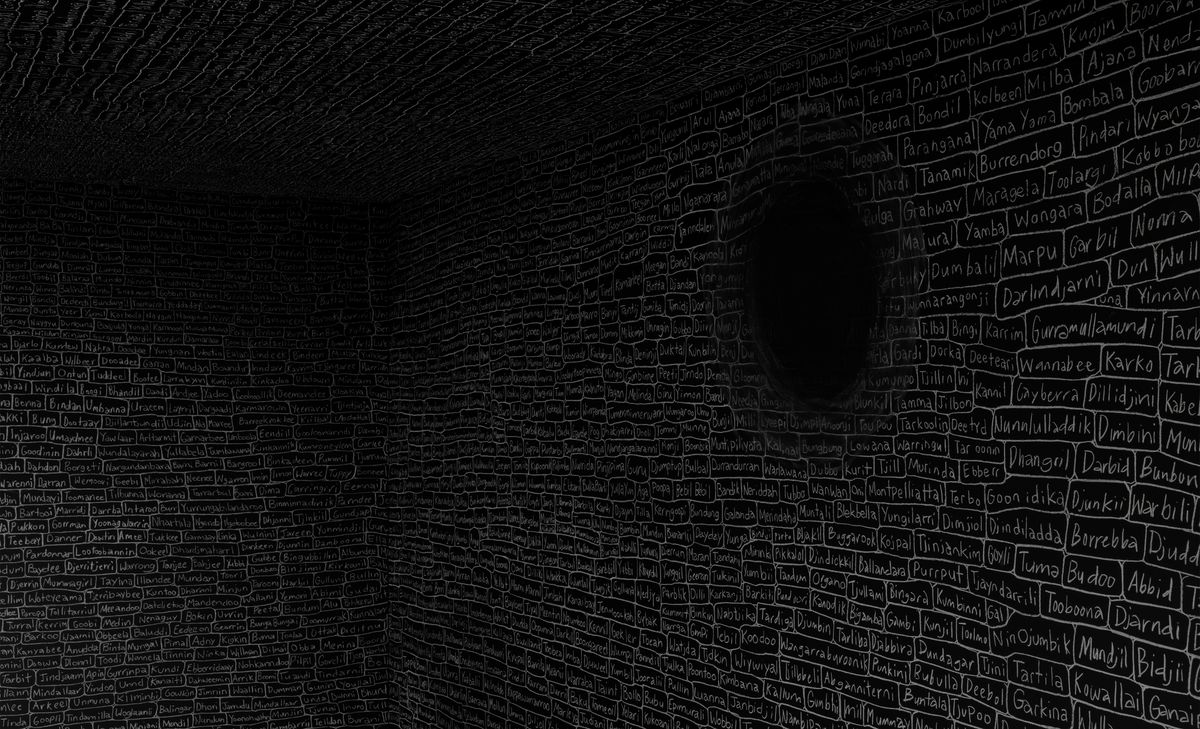
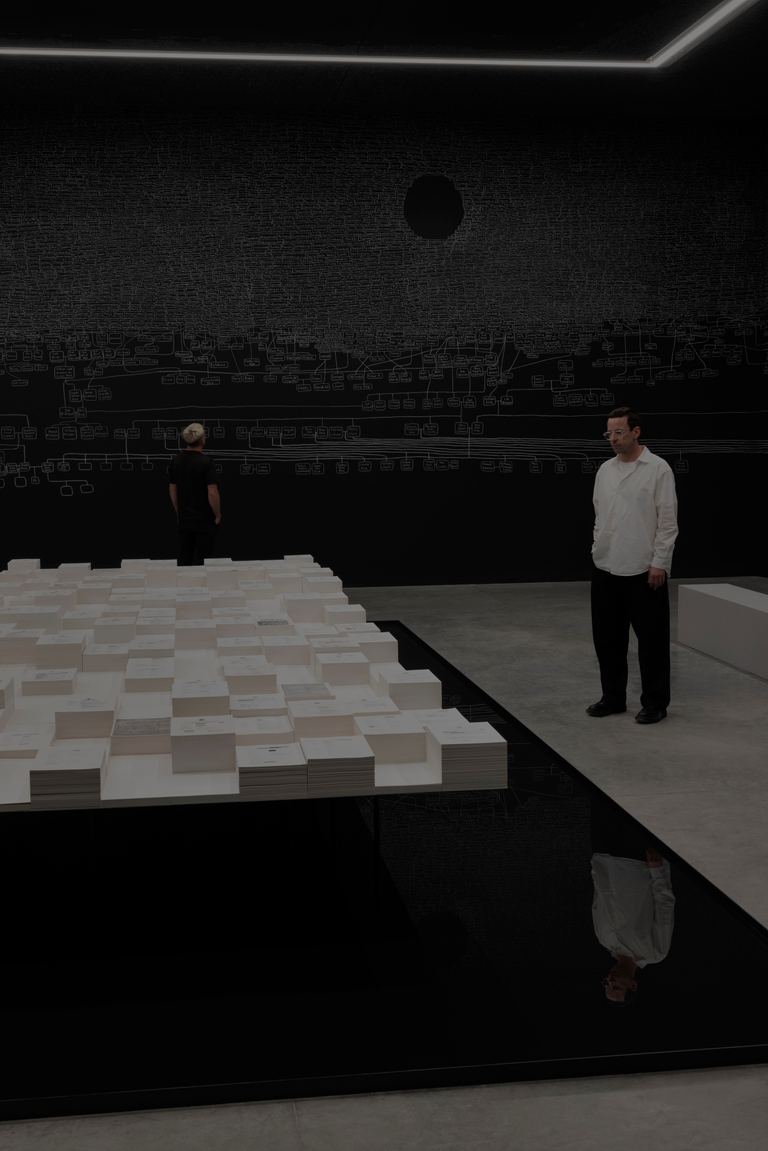
Archie Moore’s kith and kin was selected for the Australia Pavilion at the 60th Venice Biennale in 2024. Curated by Ellie Buttrose with exhibition design by Kevin O’Brien, the exhibition brought together a greatly expanded version of Moore’s sprawling hand-drawn family tree alongside a memorialised presentation of Inert State (2022), which presents the enduring effects of colonisation through 200 coroners’ reports into Indigenous deaths in custody across Australia. The work was informed by The Guardian’s Deaths Inside project, which consolidates and monitors records from Australia’s state and territory jurisdictions.
kith and kin comprises two principal elements: a 60-metre (354 sqm) hand drawing in white conté crayon executed directly onto black-painted walls and ceiling, and 557 stacks of A4 digital prints of found documents. The drawing bears the trace of the artist’s hand—organic, irregular and deeply personal—functioning as a self-portrait, a vast signature and a form of DNA. In contrast, the printed materials consist of typographically formatted bureaucratic documents, mostly coronial reports bearing the heraldry of state and crown but include other records from the archives relating specifically to Archie’s relatives. These documents on the table are evidence of systems of surveillance imposed on Indigenous people who were not granted the same rights as non-Indigenous citizens and recount the individual and collective tragedies within that system. Together, these materials are proof of an ongoing systemic failure that holds a mirror to Australia as a nation.
The genealogical tree explores shifting systems of language. Beginning with names of Archie’s traceable family, found in archival records (including Ancestry.com), the tree moves through layers of historical language: racist terms found in newspapers and archives, diminutive ‘pet' names for Indigenous people, and anthropological fractions used to assess racial ‘authenticity’. It then shifts into Kamilaroi and Bigambul vocabularies. Working with linguist Felicity Meakins, Archie improvised with phonetic structures of his ancestral languages to generate thousands of generations of speculative names that ascend the walls, reaching so far into the past that it captures a common ancestry of all humans.


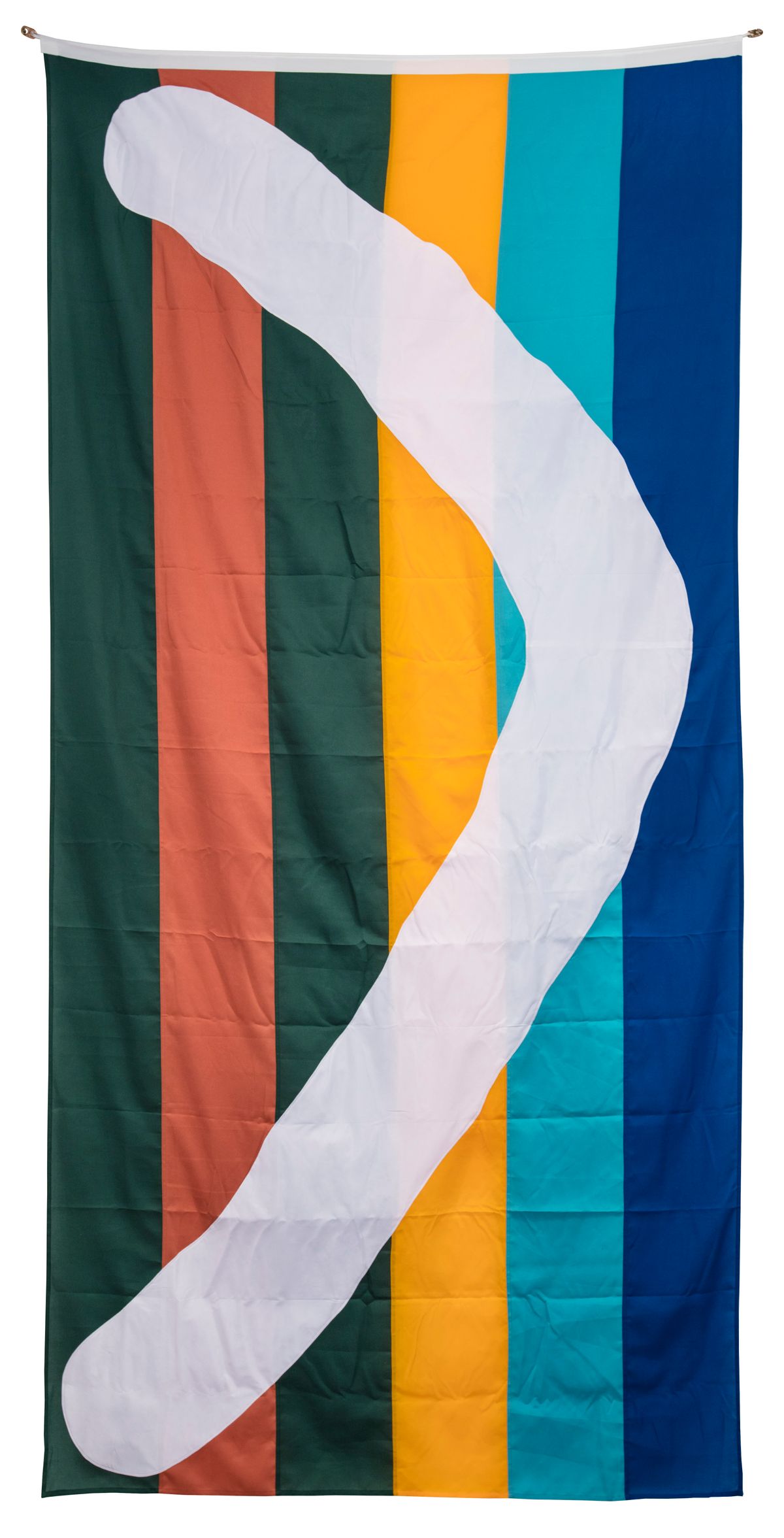


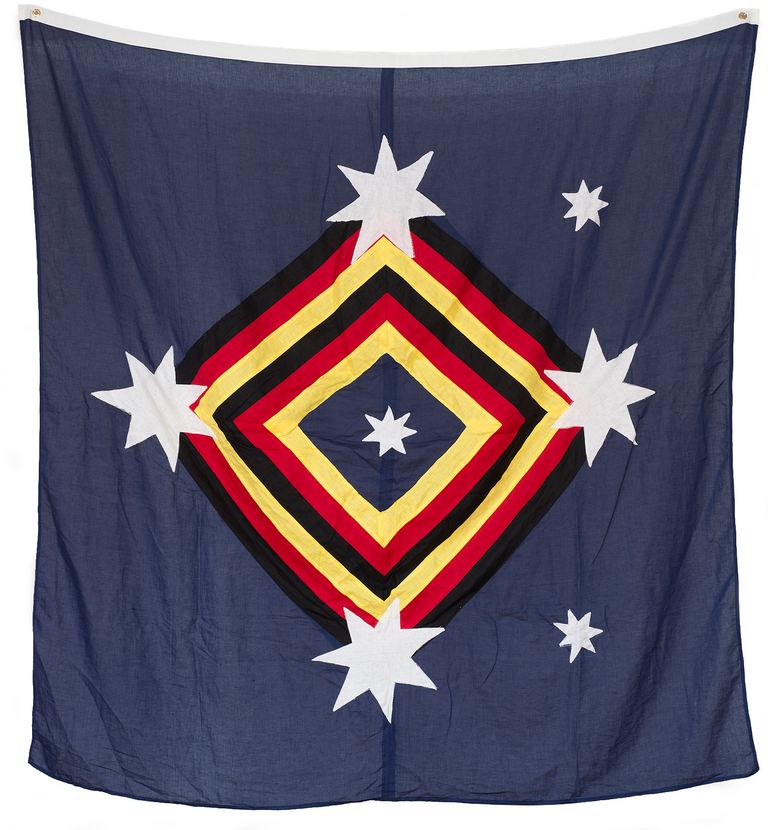
“For those of us who would love a new flag, and especially one that somehow embraces the Southern Cross [sic] and a strong Aboriginal presence, Moore's Kamilaroi flag bristles with ideas.”Ian Warden, The Canberra Times, 28 October, 2014

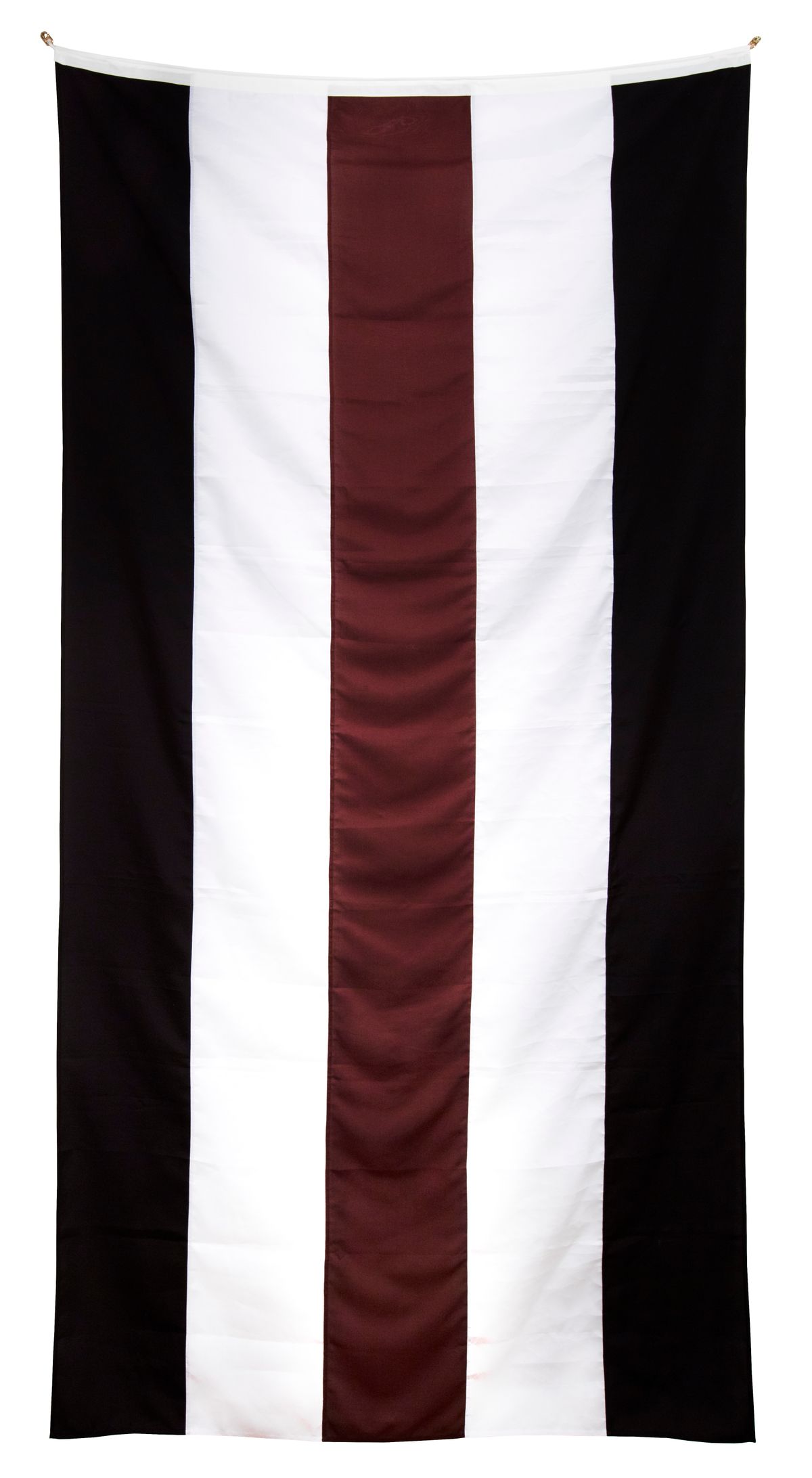
For over a decade, Archie has been combining archival research with striking graphic
design. In 2014, he became interested in the work of lay anthropologist and surveyor,
R.H. Mathews (1841– 1918) who was one of the first white people to identify a
multiplicity of Aboriginal nationhood based on language groups. In 1900, the same
year that Archie’s grandfather won the land ballot, Mathews published a map of
mainland Australia in an American anthropological journal identifying 28 Aboriginal ‘nations.’ Archie was interested
in Mathews’ insights but also the misinformation that was spread as a consequence of the flawed research. (At the time of colonisation, over 250 distinct languages were in usage in Australia.)

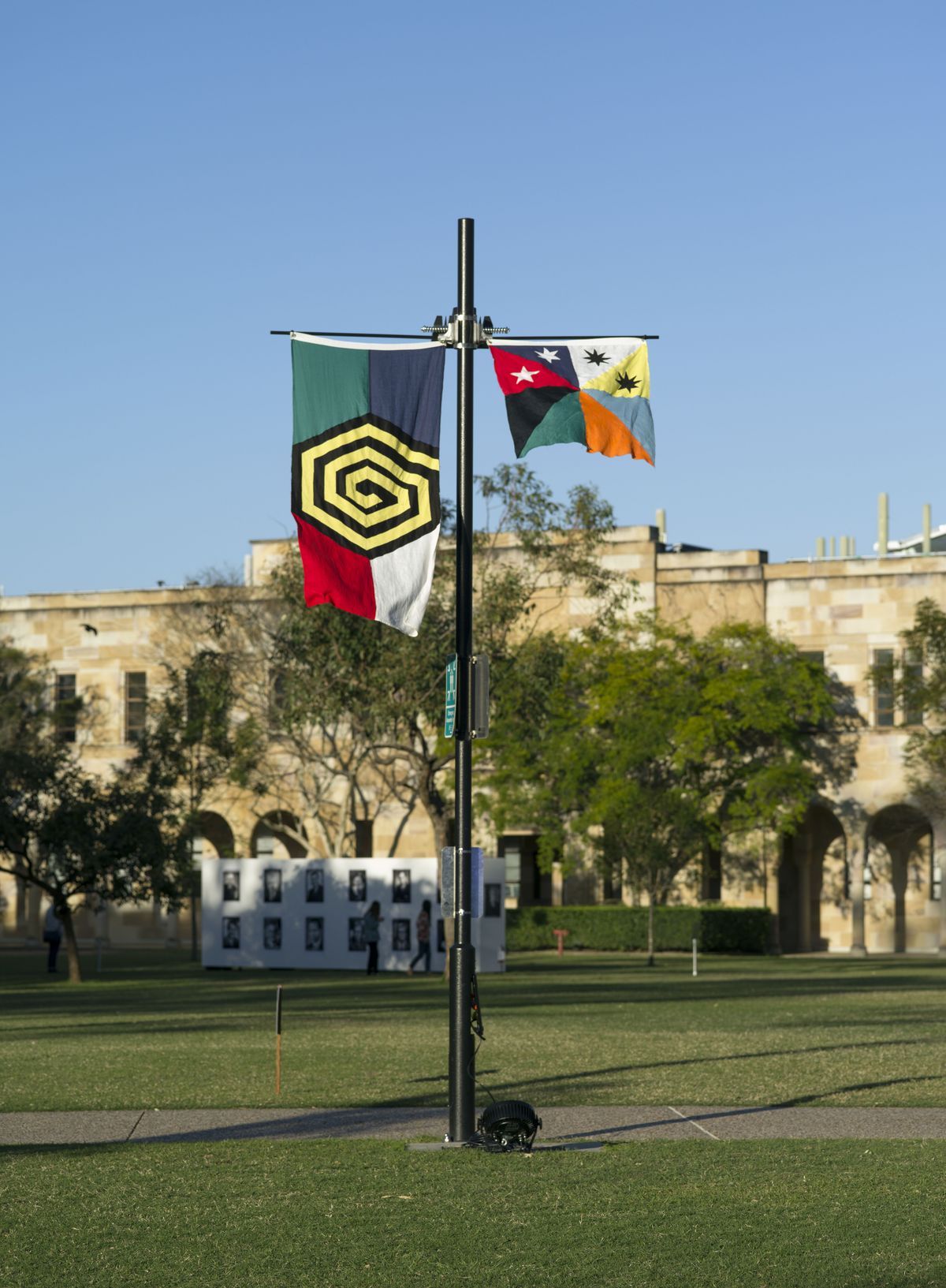
“I was intrigued by the authenticity of Mathews' account. How tainted was his interpretation of data from a position of racial and intellectual superiority? What impact on Aboriginal peoples' lives eventuated from using sources like this to validate policies?”Archie Moore, '14 Nations', in Fiona Foley and Fiona Nichols (eds.), Courting Blakness: Recalibrating Knowledge in the Sandstone University, UQ, 2014
